Colton, CA — Areas we serve (833) 713-2101

Drain Valve Replacement in Colton, CA

Drain valve dripping or stuck on your Colton, CA water heater? We swap faulty valves for full-port brass. Call (833) 713-2101 today.

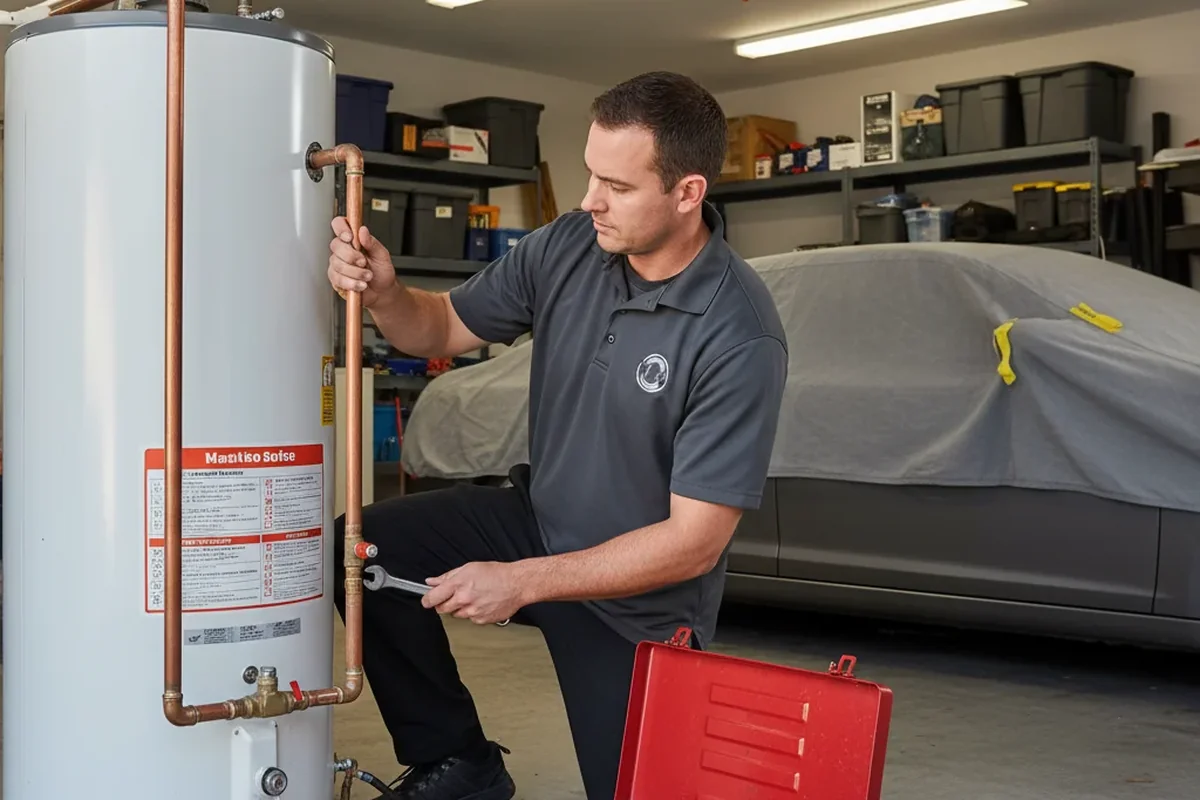
Water heater leak repair technician at work in Colton, CA
In short

This page explains drain valve replacement for water heaters in Colton, CA: why valves drip or seize, and how a technician drains the tank and fits a new brass valve. Call (833) 713-2101 and begin by telling us whether the valve drips, is stuck shut, or broke off, so we arrive with the correct replacement.

What the Drain Valve Does and Why It Fails

Near the base of every tank water heater sits a small spigot — the drain valve. Its job is unglamorous but important: it is the port you attach a garden hose to when flushing sediment out of the tank or draining the unit for service. Most heaters ship from the factory with a plastic valve, and plastic plus years of heat cycling plus mineral-heavy water is a combination with a limited lifespan.

Valves fail in a few familiar ways. The plastic body develops hairline cracks and weeps. Internal washers harden and the valve drips even when fully closed. Sediment packs behind the narrow passage until the valve will not open at all. Or the handle simply snaps off in someone's hand the first time it is touched in a decade. Any of these means the valve has become a liability instead of a tool.

Signs Your Drain Valve Needs Replacing

A slow drip from the spout with the handle fully closed is the number-one sign — that drip rarely fixes itself and usually gets worse. Water seeping from the valve stem or from the threads where the valve enters the tank points to the same conclusion. A handle that spins without resistance or breaks off tells you the internals have given up.

The subtler sign is a valve that will not open when you need it. If you attach a hose for a routine flush and nothing comes out, sediment has likely cemented the passage shut. A valve you cannot open is a valve you cannot trust in an emergency either, since draining the tank fast is step one in many leak situations.

Step by Step: How the Valve Gets Replaced

The visit starts with shutdown and cool-down: cold-water supply off, gas control down or breaker off, and time for the tank to reach a safe temperature. A garden hose is threaded onto the old valve and run to a safe discharge point — a floor drain, a driveway slope away from the house, or a laundry tub — and the tank is drained down below the level of the valve.

With the tank depressurized, the old valve is unscrewed from the tank port. The threads are cleaned and inspected for damage, then the new valve — typically a full-port brass ball valve — is wrapped with thread sealant tape (or pipe dope) and threaded in snugly. The tank is refilled with a hot tap open to bleed air, the unit is relit or re-energized, and the new valve is checked under full pressure for any weeping at the threads.

Brass Ball Valves vs. Factory Plastic Valves

Factory plastic valves use a twist-gate design with a narrow waterway. That narrow passage is exactly where sediment lodges, and the plastic body grows brittle after years of sitting inches from a hot tank. A full-port brass ball valve solves both problems: a quarter-turn handle, a straight-through opening the full diameter of the pipe, and a metal body that shrugs off heat cycling.

The practical difference shows up at flush time. Water and sediment blast through a full-port valve instead of trickling past a half-clogged gate, so each flush actually cleans the tank. Since the labor to install either type is identical, upgrading to brass during replacement is the standard we recommend — it is the last drain valve that tank should ever need.

Safety During a Drain-Down

Draining a water heater means moving thirty to fifty gallons of hot water, and that volume commands respect. The discharge hose must be secured so it cannot whip loose under pressure, and it must terminate somewhere the hot water cannot scald a person or pet, flood a neighbor's property, or undermine a foundation. Driveway discharge is fine only if the slope carries water away from structures.

Inside, the work area gets floor protection because some spillage is inevitable when breaking the old valve loose. The energy source stays off until the tank is fully refilled — firing a burner or energizing elements against an empty or partially filled tank destroys them in short order. On gas units the pilot is relit only after the tank is full and the area is checked.

Colton's Sediment Problem and Your Drain Valve

Colton's groundwater is famously mineral-heavy, and every gallon your heater processes leaves a little of that mineral behind on the tank floor. Over the years the sediment layer grows, and the drain valve — sitting right at the sediment line — is the first component to suffer. Valves in Colton clog and seize far more often than the same valves in soft-water cities, which is why a flush schedule matters more here.

Most Colton heaters live in garages, which actually helps: hose routing to the driveway is short and simple. But many of those garage tanks are fifteen-plus years old and their valves have never been opened once. If that describes yours, check our our Colton home page for the full range of services, or look at the areas we serve — and consider pairing the valve job with a water heater pan installation while the area is already prepped. Call (833) 713-2101 to get it handled.

Areas

Drain Valve Replacement — areas we serve

Water heater leaking in Colton, CA?

Don't wait for a small drip to become a flooded garage. Call Water Heater Leak Repair Pros now — we'll walk you through shutting the water off and get a technician on the way.

(833) 713-2101
FAQ

Frequently Asked Questions

Why is my water heater drain valve dripping?

A slow, steady drip from the spout — even with the handle fully closed — is the classic sign. Water seeping from the valve stem or the threads where the valve meets the tank is another. If the handle spins freely, snaps off, or the valve will not open when you try to flush, the internal parts have failed.

Heavy white or green crust around the valve body means it has been weeping for a while. Because the valve sits at the lowest point of the tank, any failure there puts water directly on your floor, so a dripping valve deserves attention before it becomes a stream.

Can I just cap a leaking drain valve instead of replacing it?

A cap or plug will stop the drip temporarily, but it is a patch, not a repair — and it removes your only way to drain and flush the tank. Sediment keeps building, efficiency keeps dropping, and the corroded valve keeps weakening behind the cap.

Replacing the valve properly restores the drain function and usually upgrades you to a sturdier brass ball valve at the same time. It is a short job once the tank is drained down, and it leaves the heater better than it was.

How often should I flush my water heater in Colton?

In Colton's hard water, once a year is a sensible minimum, and twice a year is better for older tanks or homes with very mineral-heavy supply. Each flush carries out the sediment that settles on the tank floor before it hardens into scale.

The flush itself is simple: attach a garden hose to the drain valve, run it to a safe discharge point, and let the tank empty partially or fully with the water supply off. If your valve is too clogged or seized to flush through, that is exactly when tank water heater leak repair attention — starting with a valve replacement — is needed.

My drain valve won't open — what now?

Do not force it. A plastic valve that has been heat-cycled for years can snap off in the tank port, turning a simple swap into an extraction job. Try gentle back-and-forth movement first; if it will not budge, leave it closed and call a technician.

We deal with seized valves regularly: the tank is drained through other means if needed, the old valve is removed with the right tools, and a new brass ball valve goes in. One seized valve is also a good reminder to flush on a schedule so the next one never gets the chance to freeze up.

Is a brass ball valve really better than the plastic one?

Yes, in most cases. Factory plastic valves use a narrow, twist-style passage that clogs with sediment and cracks with age and heat. A full-port brass ball valve opens to the full diameter of the pipe, so sediment actually exits during a flush instead of packing behind a restriction.

Brass also handles the heat cycling at the tank's base without becoming brittle. Since the labor is the same either way, installing the better valve during replacement is the obvious choice.

Will replacing the valve fix the sediment rumbling?

It helps, but only partly. A new full-port valve makes future flushes effective, and a good flush removes loose sediment — which quiets minor rumbling. But sediment that has baked into hard scale on the tank floor or heating elements will not wash out through any valve.

If the rumbling is loud or the tank is old, the scale may already be permanent. In that case the valve replacement still protects you going forward, but the noise is telling you the tank's remaining life is limited.

How long does the tank need to cool before draining?

For a full drain-down, the tank should be cool enough that the discharged water will not scald anyone or damage the discharge area — usually a few hours after the energy source is shut off, or overnight for a large tank. A partial drain just below the valve needs less cooling time.

Our technicians plan the cool-down into the visit: shut everything down on arrival, prep the hose routing and the new valve, and by the time the setup is ready the tank is usually safe to drain. Never rush this step — forty gallons of near-boiling water is unforgiving.

Call (833) 713-2101