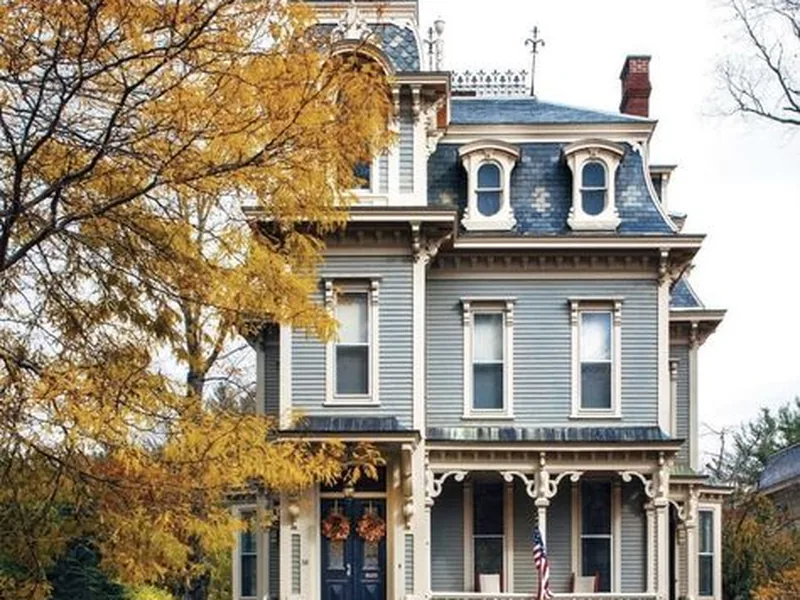
The foothill half of Upland brings elevation into the equation — colder winter inlet water, larger homes with higher hot-water demand, and heaters that cycle harder from November through March. The historic half brings age — layered plumbing, tight installations, and tanks that have been replaced two or three times into the same old platform. Our technicians are comfortable in both worlds. Every visit starts with a dry-foot diagnosis: the true source of the water, the condition of everything around it, and an honest answer about whether repair or replacement is right — quoted in writing before any work begins. Historic core or foothill estate, our Upland technicians bring the same standard: find the true leak, quote it honestly, fix it right.
Housing Stock and Water Heater Ages in Upland
Central Upland around the historic downtown holds bungalows, cottages, and early ranch homes from the 1910s through the 1950s — houses where the water heater was accommodated, not planned for. Tanks sit in enclosed porches, side-yard utility sheds, converted sleeping porches, and garages that started life as something else. These are second- and third-generation installations with layered history: relief valves painted over, drain valves corroded shut, vent runs threaded through old framing, and platforms built for a smaller tank than the one sitting on them now. A leak in these homes threatens plaster, original woodwork, and foundations — which is why historic-district calls get our fastest response. Foothill lots often step down in terraces, and a garage leak can travel across levels before pooling visibly. We trace water uphill to its source as a matter of routine. Original hardwood floors near a leaking porch heater are the nightmare scenario, so historic-district calls jump our queue.
North Upland climbs into the foothills: 1960s–1990s estates and custom homes on larger lots, many with 50- to 75-gallon tanks in finished garages, and some with recirculation systems serving distant master suites. These are bigger systems under bigger demand — larger households, more bathrooms, heaters that cycle hard. Original-equipment tanks from the 80s and 90s builds are now past design life, and even newer replacements face the same hard water. The foothill risk is complacency: a beautiful, well-kept estate with a 13-year-old tank nobody has ever flushed, weeping from a fitting behind the storage wall. Across 91786, the rule holds at both ends of the market: past ten years, inspect annually. Estate wine storage and home gyms increasingly share foothill garages with the heater — high-value neighbors for a leaking tank. Containment is worth discussing on every visit. Some estates run dedicated hot-water recirculation zones, and we map each loop before diagnosing pressure issues.
How Upland's Water Conditions Affect Your Heater
Upland's water supply blends local groundwater with imported sources, and it runs mineral-hard — calcium and magnesium that coat elements, bury tank floors in sediment, and dissolve anode rods in two to four years. In the foothill neighborhoods, elevation adds a winter penalty: colder inlet water from November through March means the heater works its hardest exactly when the oldest tanks are most vulnerable. The chemistry is unforgiving and predictable — scale insulates, anodes dissolve, relief valves crust, drain valves embrittle — and it applies equally to the 1925 bungalow's 40-gallon tank and the foothill estate's 75-gallon unit. Upland's higher elevations see the coldest inlet water in our service area, which is why winter failures cluster here. A fall inspection is the smartest preventive step a homeowner can take. We suggest annual hardness testing for estate owners, since treatment equipment needs verification to keep protecting the tank.
Demand is Upland's second variable. Larger foothill homes run bigger tanks harder: more occupants, more bathrooms, recirculation loops that keep water moving and fittings thermally cycling around the clock. More cycles mean more expansion stress, faster sediment disturbance, and more wear on every connection. In the historic core, the variable is age rather than demand — decades-old galvanized and early copper connections that hard water has been attacking for half a century. Summer heat bakes garage and shed installations at both ends of town; Santa Ana winds drive dust into burners. The maintenance answer is the same everywhere in 91786: annual flushing, timely anode replacement, pressure control — applied before the failure, not after. Hardness testing during service calls lets us fine-tune anode schedules to the neighborhood, not just the city. Micro-climates apply to water chemistry too. Dual-tank setups in the largest homes need balanced maintenance — we service both units as a system, not as strangers.
Common Water Heater Leak Problems in Upland
Upland's leak calls split by neighborhood character. In the historic core, corroded top fittings dominate — decades-old unions, mixed metals without dielectric separation, joints that weep for months before failing, sometimes in installations so tight the repair is half access work. Drain valves run second: brittle plastic spigots on tanks that have never been flushed, snapping during a first maintenance attempt. In the foothill estates, relief-valve dripping leads — larger tanks, recirculation systems, and closed plumbing without adequate expansion control, weeping nightly until the valve seat crusts permanently. Where the tank steel is sound, all of these are in-place repairs. Recirculation pumps in larger homes mask small leaks by keeping lines pressurized and warm. We isolate the loop during diagnosis so nothing hides. Thermal imaging finds hidden moisture behind finished garage walls, which we use whenever a leak's path is unclear.
Tank-body failure ends the discussion everywhere: seams seeping, rust blooming at the base, pinholes opening in steel that lost its anode years ago. In Upland we see it on 15-year-old tanks in historic homes and 11-year-old 75-gallon units in the foothills — hard water compresses every timeline, and high demand compresses it further. We also get the misdiagnosed calls: condensation on cold inlet lines in cool porch installations, recirculation pump fittings dripping nearby, water softener discharge lines leaking across finished garages. Our dry-foot diagnosis separates the true heater leaks from the lookalikes before anyone spends money — because in a market where homes are a serious investment, the wrong fix is the expensive fix. Luxury vinyl and finished garage floors in renovated estates show water damage fast — and repair expensively. Speed matters more where the finishes cost more. Estate replacements are scheduled with white-glove care: floor protection, quiet hours respected, and a spotless departure.
What to Expect When You Call for Service in Upland
Call (833) 713-2101 and you get technicians who work both Uplands weekly — the historic streets around downtown and the estates climbing toward the mountains. Same-day service covers all of 91786, and active leaks get priority because water in a historic wall or a finished foothill garage compounds fast. The visit starts with a dry-foot diagnosis: the true source, explained plainly, with a written price before any work begins. We carry what Upland jobs need — brass drain valves, relief valves, gas control valves, anodes, elements, thermostats, recirculation fittings, and the transition hardware to mate new components to plumbing from 1925 or 1995. Gated foothill communities get coordinated entry scheduling — we confirm access details when booking so the visit starts on time. No waiting at the gate. Concierge-style scheduling — including weekend windows — accommodates the calendars our Upland clients keep.
When the tank is done, replacement follows California code: earthquake straps, drain pan with proper termination where required, expansion control matched to measured pressure, venting verified before the burner fires — sized correctly for the household, whether that is a 40-gallon bungalow unit or a 75-gallon estate system. We haul the failed unit out and leave the space dry. Historic homeowners get documentation of what failed and why; estate owners get an honest assessment of the whole hot-water system including recirculation. Whether it is a 1920s porch installation or a foothill garage with a weeping relief valve, the promise is the same: stop the water, fix the real cause, and leave a heater worthy of the house it serves. Our Upland work carries the documentation estate owners expect: detailed invoices, component photos, and maintenance records for the property file. We provide a bound maintenance log with every estate installation, because documented care protects property value.
Local Facts: Upland
- ZIP 91786 spans historic downtown Upland's early-20th-century homes and the foothill estates climbing toward the San Gabriels.
- Heater placements range from converted porches and side-yard sheds in the historic core to 75-gallon units in finished foothill garages.
- Local water runs mineral-hard; anode rods typically dissolve in 2–4 years and scale coats elements and tank floors.
- Foothill elevation brings colder winter inlet water — November through March is peak failure season for aging tanks.
- Larger foothill homes run bigger tanks under higher demand, with recirculation loops that thermally cycle fittings around the clock.
- Historic-core installations are often second- or third-generation, with layered plumbing and tight access.
Water Heater Services in Upland
Walk into your garage on a 102-degree Colton afternoon and you may notice it before you see it: a faint mineral smell, a dark halo spreading
A tankless water heater is not a tank with the tank removed. It is a precision machine: a copper or stainless-steel heat exchanger threaded
The most expensive water heater leaks are the ones you never see. In Colton, they hide with embarrassing ease: garage concrete wicks a slow
Inside every tank water heater in Colton there is a metal rod with one job: to die so the tank doesn't have to. It's called the anode rod —
Every tank water heater has one part whose entire job is preventing a catastrophe: the temperature-and-pressure relief valve, the little bra
It's the most-touched, least-thought-about part on your water heater: the little spigot near the bottom of the tank, the one you (or somebod